
Tambakti's Uncertainty, Kadesh's Exit: Saudi Arabia's Quiet Defensive Test Before Iraq
**মূল উত্তর:** হাসান তাম্বাকতির কাফের চোটে আরব গালফ কাপ ২৭-এ ইরাকের বিরুদ্ধে তাঁর খেলা অনিশ্চিত; সহ-ডিফেন্ডার হাসান কাদেশ ক্যাম্প ছাড়ায় সৌদির ডিফেন্স লাইনে জোড়া ধাক্কা লেগেছে। চূড়ান্ত সিদ্ধান্ত নির্ভর করছে চিকিৎসায় তাঁর প্রতিক্রিয়ার ওপর। **মূল তথ্য:** - হাসান তাম্বাকতির কাফে চোট; মেডিকেল স্টাফের বিবৃতিতে চূড়ান্ত সিদ্ধান্ত কয়েক ঘণ্টার অপেক্ষায়। - হাসান কাদেশ চোট পেয়ে সৌদি ক্যাম্প ত্যাগ করেছেন; ডিফেন্সে একসঙ্গে দুই জনের অনুপস্থিতি। - Coachিং স্টাফ পেছনের লাইনে স্থিতিশীলতা চান এবং বিকল্প খেলোয়াড় খুঁজছেন। - প্রতিপক্ষ ইরাক; দুই দলের গালফ কাপ প্রতিদ্বন্দ্বিতা ঐতিহাসিক ও উত্তপ্ত। - সূত্রে দাবি, সৌদি আরব ২০২৬ বিশ্বকাপ বাছাইয়ের দৌড় থেকে ছিটকে গেছে — এএফসি রেকর্ডে যাচাই করা হয়নি। **সূত্র:** সৌদি জাতীয় দলের অফিসিয়াল এক্স অ্যাকাউন্টের মেডিকেল আপডেট এবং Next সংবাদ প্রতিবেদন। প্রকাশের নির্দিষ্ট তারিখ মূল উপাদানে উল্লেখ করা হয়নি; ফলো-আপ দাবিগুলো অনির্দিষ্ট সূত্রভিত্তিক, তাই যাচাই ছাড়া নিশ্চিত তথ্য নয়। **সম্ভাব্য প্রশ্নোত্তর:** Q: তাম্বাকতি কি ইরাকের বিরুদ্ধে খেলবেন? A: অফিসিয়াল চূড়ান্ত ঘোষণা আসার আগে এটি অনিশ্চিত, কারণ সিদ্ধান্ত নির্ভর করছে চিকিৎসায় তাঁর প্রতিক্রিয়ার ওপর। Q: এই চোটে সৌদি ডিফেন্সে মূল প্রভাব কী? A: একক পজিশনের বদলে পুরো ব্যাক লাইনের সমন্বয় — অফসাইড ট্র্যাপ, মার্কিং বিন্যাস ও বিল্ড-আপ — ঝুঁকিতে পড়ে। Q: কাদেশের ক্যাম্প ছাড়ার মানে কী? A: এটি সূচিত করে সৌদির ডিফেন্সে গভীরতা-সংকট তৈরি হয়েছে এবং স্টাফ বিকল্প খুঁজছেন।
At half past three in the morning, the phone screen lit up. Saudi Arabia's official X account, a two-line statement in the medical staff's name — Hassan Tambakti has a calf injury, treatment is ongoing, the final call depends on his response over the coming hours. Attached to the announcement was another phrase: "another headache." The monitor glow is a campfire, and we all tell stories around it — some about scorelines, some about how a name is spelled.
What is missing from those two lines is today's real news. Calf, treatment, a few hours — three words that reduce a man to a possible number. Beside him sits another name: Hassan Kadesh, who picked up an injury and has left the camp. Two names, one defensive line, and Iraq waiting.
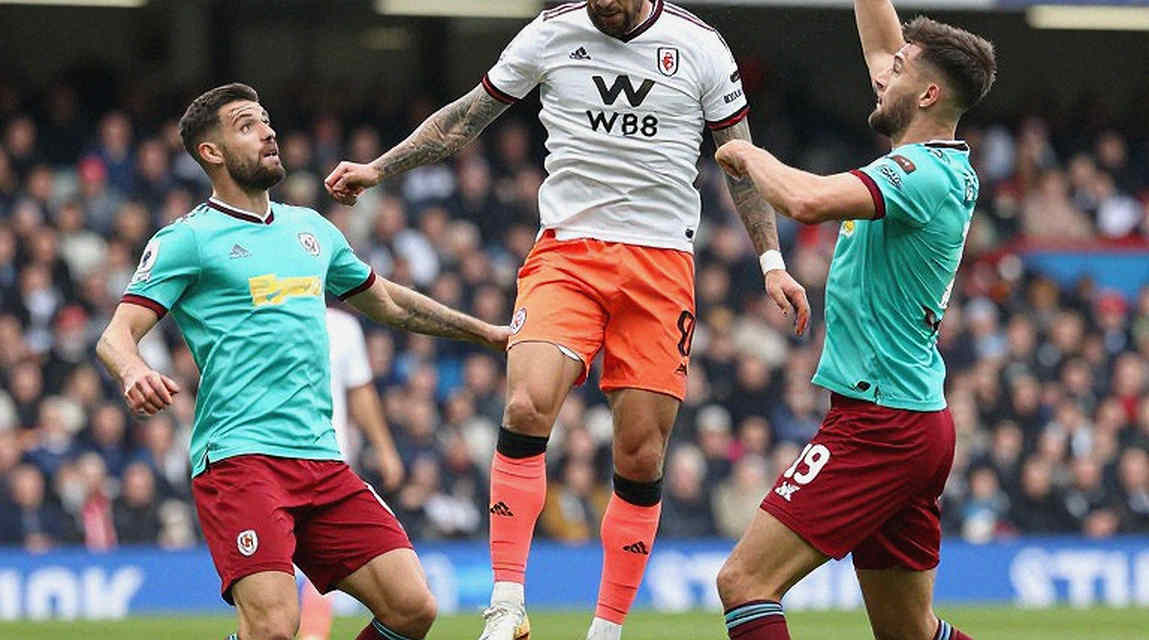
I was fifteen with a fan blog, learning that love is not a credential. On nights like this that boy still sits somewhere inside me, and his first question is always: who wrote the letter, and who was never addressed?
Why the Iraq fixture refuses to be measured by this news
The Saudi camp has framed the 27th Arabian Gulf Cup as "the start of a new chapter." In Gulf Cup history, Iraq have won four titles (2026, 2026, 2026, 2026) and Saudi Arabia three (2026, 2026, 2026-04) — source: the tournament's official records. This fixture has never been about table points.
The coaching staff's stated priority is explicit: stability at the back. That single line says plenty. A back line that knows its own language rarely has its coach reaching for the word "stability."
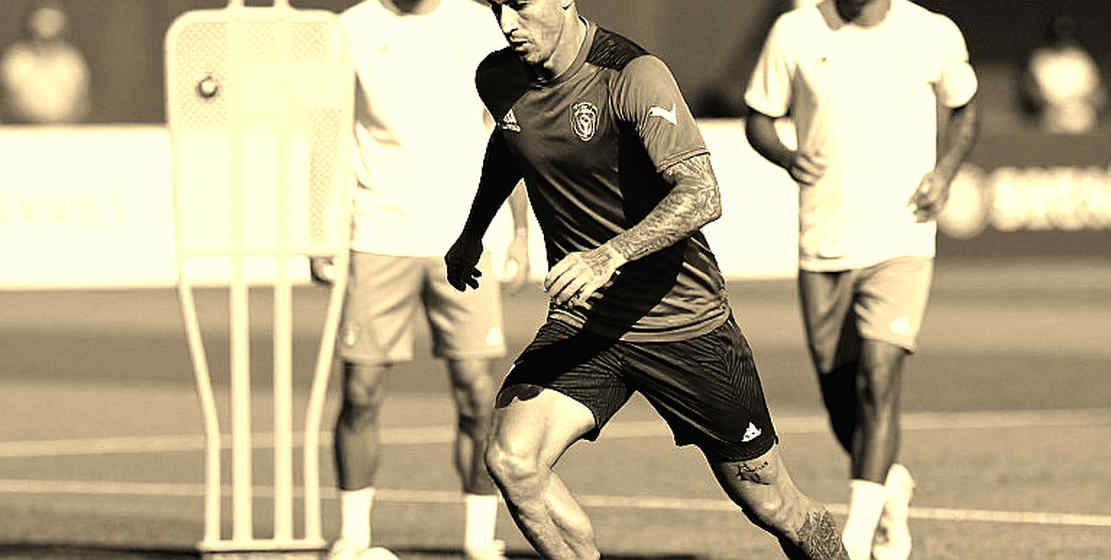
Tambakti is a centre-back in his peak years, playing at the top level of the domestic league. His value does not show up in goals or assists.
One verification matters here. The report claims Saudi Arabia crashed out of the race to qualify for the 2026 World Cup, and that recent months have been testing. The second part is sentiment, unmeasurable. The first is a specific factual claim — and it needs checking against official AFC qualification results. From what I have noticed, sentences like this tend to circulate copied from old notes. Stitching an unverified failure narrative onto injury news gives readers a dose of mood; the analytical part gets thinner.
The real question never shows up on a heatmap
From years of watching matches, one thing I have learned: a centre-back's work does not show up on a heatmap. The heatmap shows where he stood; it does not show why he stepped exactly one yard to his right so the gap behind the left-back closed in time. That step is a habit built on the training ground, an instruction spoken aloud, a glance over the shoulder.
Defensive-line cohesion is a team quality, not a sum of individual skills. Swap a centre-back and football does not merely change a position — the timing of the offside trap, marking assignments, the first pass out from the goalkeeper, second-ball collection: every small contract is rewritten. A player who learns that language while sitting in the stands does not play.
That is why the line about the staff looking for a replacement is the loudest signal in the report. A coach who trusts his internal cover does not go outside. Looking outside means the trust inside is not enough. The pressure sits in the line's depth, not in one man's name. Read Tambakti's doubt and Kadesh's departure together and this stops being an isolated accident.
There is another layer. The medical information was released through the team's official account — centralised, controlled, in one voice. Less room for rumour, which is good. It is also true that this clinical language nearly erases the player's own voice. We know he has a calf injury; we do not know whether he is afraid. Modern sport's personal branding smooths personality so thoroughly that little remains of the person inside.
The tiers of information deserve separating. What the medical staff statement contains — a calf injury, ongoing treatment, a wait of hours — is reliable. But the claim that Tambakti will not be available comes from reports with unspecified sourcing. Weighing them equally is wrong. Waiting on the first is a journalist's job; waiting on the second means trusting the rumour process itself.
Where I disagree
Wrapping the Gulf Cup in a "crisis" headline is overstatement to me. A testing few months, another headache, at the worst possible time — those phrases arrive in editorial tone while the factual base stays thin. Losing two defenders adds pressure to the back line, true; but if the narrative outruns the facts, some pressure lifts off the opponent's shoulders.
Iraq will smell opportunity here, naturally. Opportunity and victory are still separated by ninety minutes. If Saudi Arabia cope with Iraq's attack without Tambakti, this pre-written grief will look embarrassingly wrong. That is the hype-to-scrutiny trap — a negative story built in advance does not survive contact with reality.
Some restraint is needed too. Turning a centre-back into "the pillar of the defence" is easy, especially when he plays for a big domestic club. Four defenders hold a conversation; nobody is a wall alone. Tambakti's value is that he knows the language of that conversation. The curious part: language can be taught. The question is how many hours you have.
The risk picture says the exposure is concentrated in one unit rather than spread across the team. One player for one player may well solve it — if the new pairing is given time to learn each other.
What I will be watching
The next few hours are the same for everyone — the final word from the official channel. Then the name, then the lineup. The real test begins after the lineup, in the opening ten minutes, when Iraq first come down the right. Then we will see whether the new line speaks the same language.
Dhanmondi net café, three in the morning, 2026 — defeat sounded then like a hymn everyone knew by heart. Same screen, same hour today. Only the question has changed: who writes the grief, and who answers it on the pitch?