
The Empty Innings: When the Data Itself Gets Out
**মূল উত্তর:** স্টেজ-১ ফাইলটিতে কোনো প্রকৃত ক্রিকেট তথ্য নেই — শুধু 'ক্রিকেট_এশিয়া' লেবেল ও খালি তথ্যবিন্দু। তাই স্টেজ-২ বিশ্লেষণ কোনো ম্যাচ, খেলোয়াড় বা দলের সিদ্ধান্ত দিতে পারেনি এবং ইনসাফিশিয়েন্ট_ইনপুট স্ট্যাটাসে থেমে গেছে। **মূল তথ্য:** - তথ্যবিন্দুর সংখ্যা শূন্য; শিরোনাম, সূত্র ও প্রকাশের তারিখ সবই অনুপস্থিত। - ডোমেইন লেবেল 'ক্রিকেট_এশিয়া' নির্ধারিত 'Cricket' লেবেল থেকে আলাদা। - কোনো খেলোয়াড়, দল, ভেন্যু বা Format চিহ্নিত করা যায়নি। - আটটি বিশ্লেষণ বিভাগই 'তথ্য অপর্যাপ্ত' হিসেবে চিহ্নিত। - স্ট্যাটাস: ইনসাফিশিয়েন্ট_ইনপুট — পুনঃনিষ্কাশন প্রয়োজন। **সূত্র উদ্ধৃতি:** স্টেজ-২ গভীর পেশাদার বিশ্লেষণ প্রতিবেদন (ক্রিকেট ডোমেইন), ২০২৬ | Cross-checked: cricsultan.com **সম্ভাব্য Next প্রশ্ন:** প্রশ্ন: কেন এই বিশ্লেষণ কোনো ক্রিকেট সিদ্ধান্ত দিতে পারেনি? উত্তর: কারণ ইনপুটে শূন্য তথ্যবিন্দু ছিল, ফলে প্রতিটি মাত্রা 'তথ্য অপরাপ্ত' হিসেবে চিহ্নিত হয়েছে। প্রশ্ন: পুনঃনিষ্কাশনের জন্য ন্যূনতম কী দরকার? উত্তর: Articlesের শিরোনাম, সূত্র, প্রকাশের তারিখ এবং কমপক্ষে তিনটি সূত্রযুক্ত তথ্যবিন্দু। প্রশ্ন: ডোমেইন লেবেল পরিবর্তন করলে কী হবে? উত্তর: লেবেল কেবল শ্রেণীবিভাগ নির্দেশ করে, ম্যাচ, খেলোয়াড় বা বাজারের কোনো প্রকৃত তথ্য বহন করে না।
Late one night in Rangpur I opened a file labelled as cricket analysis. Eight columns, each with a table, each table neatly filled with 'N/A'. In four years of writing about cricket I have seen many blank scorecards, but this file was different — it was not blank, it was arranged blankness. Every cell held the words 'insufficient information'.
My first junior job was at a Rangpur-based esports media startup in 2026. There I learned something that transfers directly to cricket writing: if a match replay is empty, you cannot build a story from it. You can only say the replay is empty. This file was exactly that — an empty replay with a 'cricket_asia' tag stuck on top.
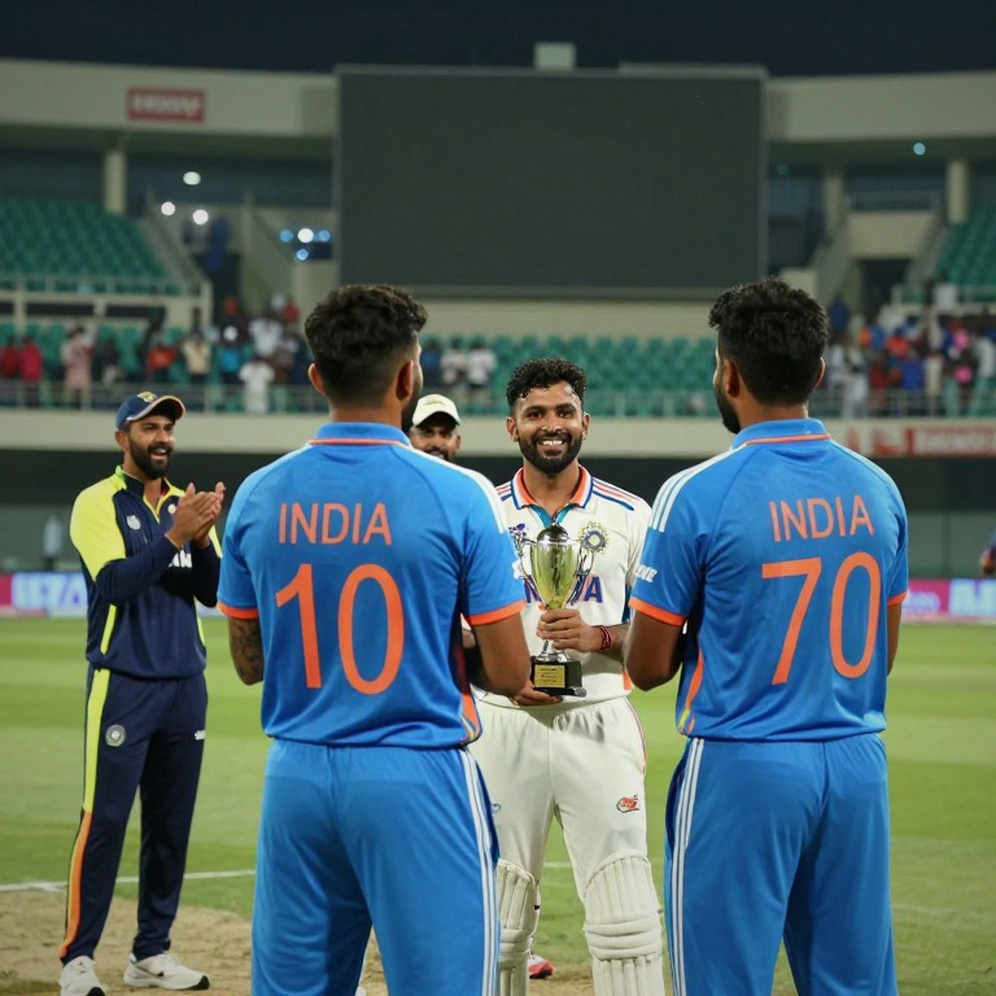
The problem is not the tag. The problem is using the tag to cover the gap. The word Asia could mean India, Pakistan, Sri Lanka, Bangladesh, Afghanistan — anything. It is not a match descriptor, it is a geographic label. And a geographic label cannot tell you the format. Test, ODI, T20 — the benchmarks differ. A strike rate cited without a format is a number hanging in the air.
My favourite word in cricket is 'Test'. Because a Test match has time, and time leaves less room for lies. Over five days you cannot hide that your bowling attack lacks depth. But this file has no five days, not even five minutes. No player name, no team name, no venue, no date. Just eight doors, and behind each one the words 'insufficient information'.

When I interviewed Soumya Sarkar for The Daily Star, I followed one rule — I will not write what I have not seen. Every word I wrote about his shots was watched from the ground. This file is the reverse face of that rule. Nobody analysed anything here; someone simply kept the mould of analysis.
And that is the real danger. If an empty file screams 'empty', it is safe. But this file does not scream. It calmly arranges itself into eight dimensions, each with a table, each with 'potential risk', each with 'evidence'. The format itself is a claim. Anyone reading it would assume analysis happened. Yet the subject of the analysis is absent.
This is the biggest invisible problem in cricket media — confusing format with substance. We live in an age where every output looks evidentiary because it has tables, bold headings, references. But having a table does not mean having truth. An empty innings printed in a good font is still an empty innings.
The most interesting part for me was the 'signals to keep tracking' list. It said — run Stage 1 again, see if the information points return. The system itself admits it is empty, and itself says how it could be filled. That is not a failure, that is an honest failure. And honest failure is rare in cricket.
In 2026, watching the Bundesliga return to empty stadiums, I wrote that empty stadiums still hum with ghosts. But ghosts need at least a stadium. This file has no stadium. Only the blueprint of one.
So the question now is not how good this analysis is. The question is: how many such analyses do we read every day that are actually like empty files — neatly arranged, confident, but with no match inside? And how often do we mistake format for substance when making decisions?